



Everything looks ready before the show opens. The stand is built, graphics are aligned, the team is prepared. But when the first visitors walk in, something feels off — they don’t stay as long, conversations end too quickly, the space just doesn’t “hold” people.
At this point, most teams start questioning messaging or staff performance. In reality, the issue is often more subtle. The trade show booth flooring affects how comfortable people feel, how they move through your space, and whether they even realize they want to stay.
Choosing the right trade show booth flooring is one of the most overlooked decisions, yet it directly impacts comfort, branding, and visitor engagement.
In this article, I’ll walk through practical trade show booth flooring ideas that actually make a difference on a real trade show floor.
Why Trade Show Booth Flooring Matters for Exhibition Stands
Most visitors won’t consciously notice your floor. But they will react to it — almost immediately.
How flooring affects booth appearance and visitor perception
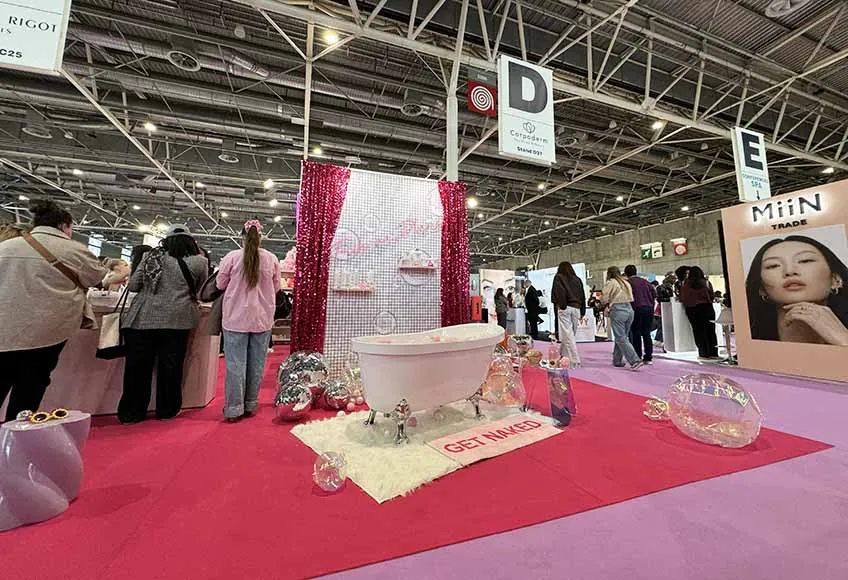
There’s a difference between a booth that looks “assembled” and one that feels complete. In many cases, that difference comes from exhibition stand flooring.
Even a strong design can feel unfinished if the trade show flooring looks temporary or worn. On the other hand, a clean, well-chosen base instantly pulls everything together — graphics, furniture, lighting.
Visitors rarely analyze this. They just feel it.
Why the right floor improves comfort and functionality
Now imagine standing still for a conversation. If the surface is too hard, you’ll notice it within minutes.
That’s why materials like carpet squares or foam tiles quietly improve the experience. They reduce fatigue without drawing attention to themselves.
In busy environments, comfortable tradeshow floors often lead to longer conversations — and those are usually the ones that convert.
How booth flooring supports branding and visitor flow
Flooring also shapes how people move, even if they don’t realize it.
Using different flooring tiles or textures, you can subtly guide visitors — where to enter, where to stop, where to engage. This is one of the most underrated aspects of trade show exhibit flooring.
Trade Show Booth Flooring Ideas: Best Options for Exhibition Stands
There’s no single “best” solution. The right choice depends on what your booth needs to do — attract, hold attention, or handle heavy traffic.
Carpet flooring for a soft and budget-friendly setup
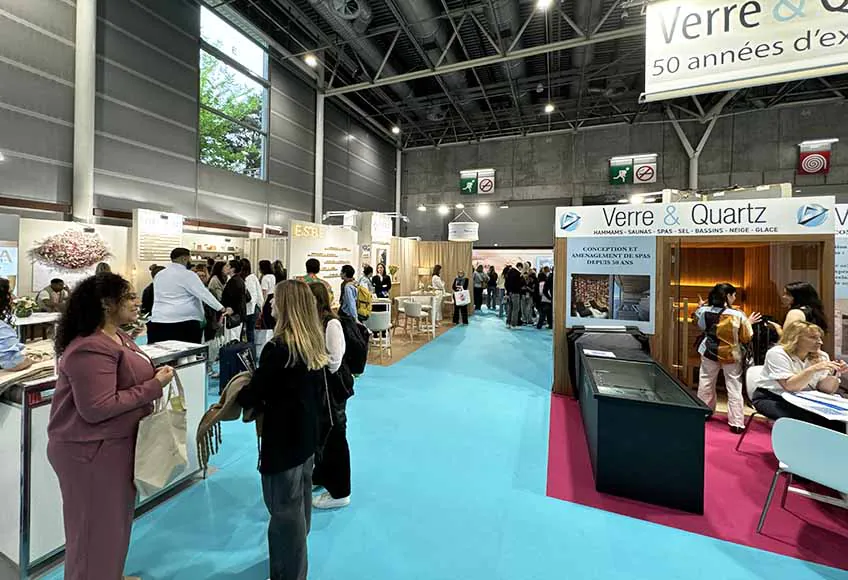
Carpet is often the starting point — especially for smaller or budget-conscious projects.
It’s forgiving, easy to install, and works well when you need a quick setup. Modular carpet tile systems are particularly practical because you don’t need to replace everything if one section gets damaged.
But there’s a trade-off. Carpet doesn’t always deliver a premium feel, and in high-traffic areas it can lose its appearance faster than expected.
Vinyl flooring for a clean and professional look
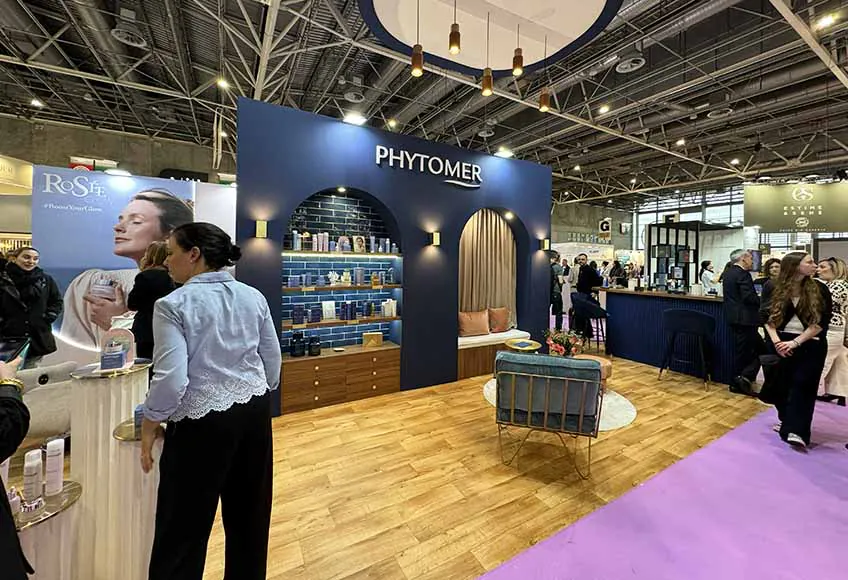
Vinyl is one of the most balanced exhibit booth flooring solutions.
It gives you control over the look — especially with wood grain finishes that instantly structure the space. At the same time, it’s durable and relatively easy to maintain throughout multi-day trade shows.
If a client asks us for something that looks clean but doesn’t complicate logistics, vinyl is usually where we start.
Foam tiles for comfort and quick installation
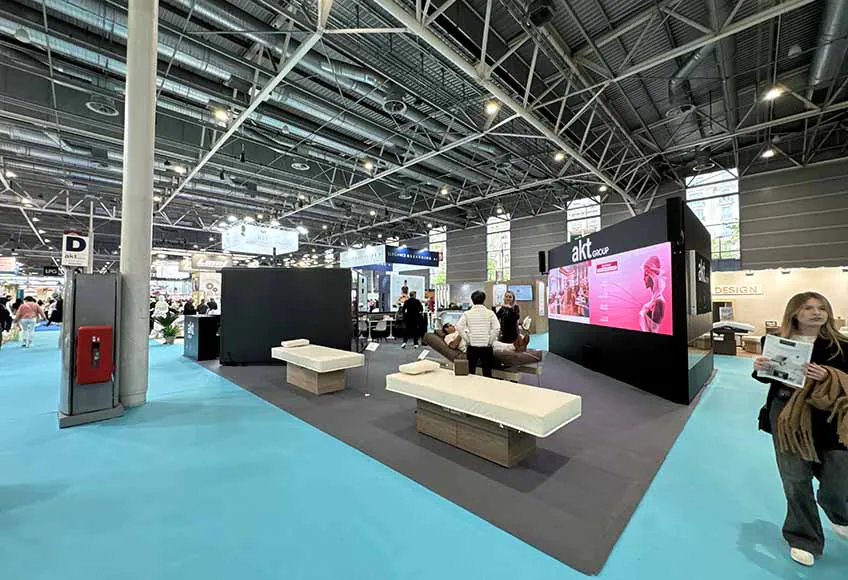
Foam isn’t about looks — it’s about how the space feels after a few hours.
If your team stands all day, or if visitors actively interact with products, foam tiles make a noticeable difference. They’re lightweight, easy to assemble, and practical for fast setups.
Still, visually they are quite simple. That’s why we often use them selectively rather than across the entire exhibition flooring.
Raised flooring (podium) for premium exhibition stands
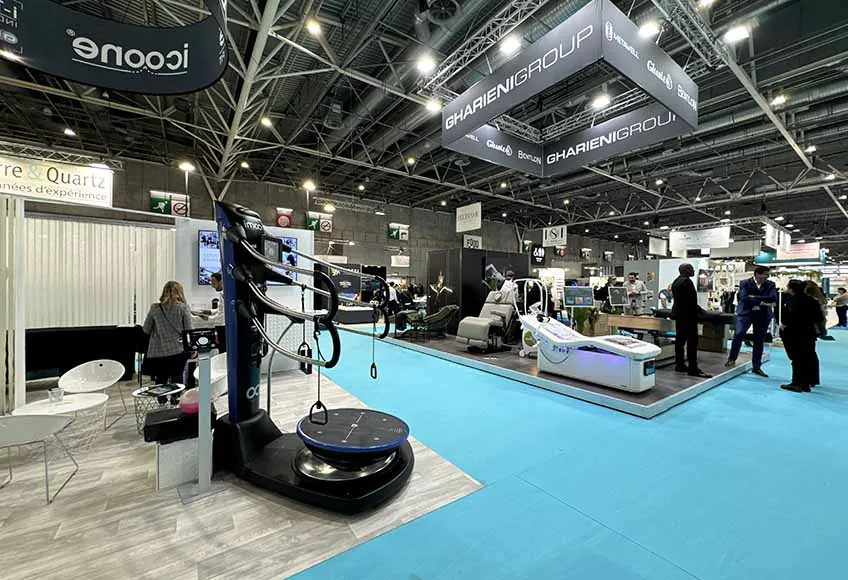
A raised floor exhibition stand changes perception instantly.
It creates separation from the aisle, adds depth, and allows you to hide cables completely. For premium brands, this often becomes a defining element of the booth.
But it’s not always necessary. In smaller setups, it can add complexity without delivering proportional value.
Printed floor graphics for stronger brand visibility
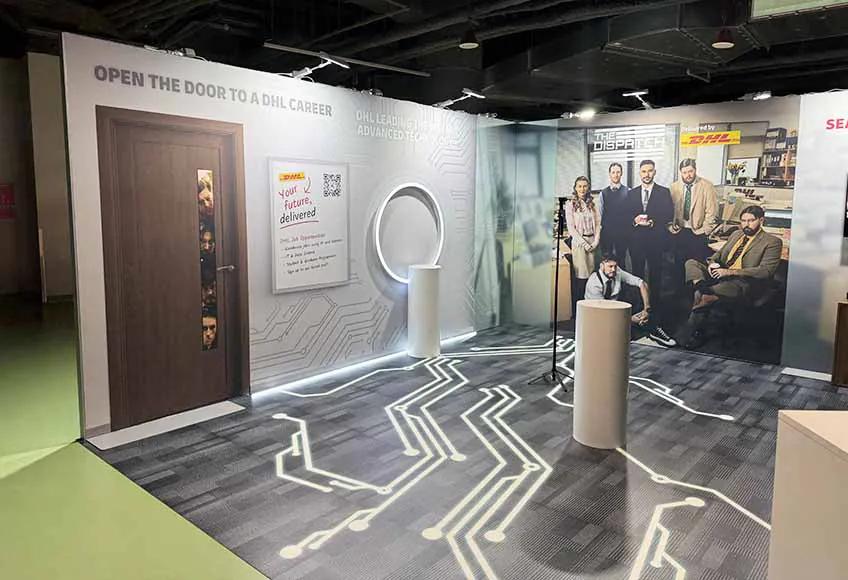
Sometimes the floor becomes part of the message.
With exhibition floor graphics, you can extend branding beyond vertical surfaces. This works especially well when the concept relies on strong visual identity.
The key is balance — graphics should enhance the space, not overwhelm it.
How to Choose the Right Flooring for an Exhibition Booth
At some point, the decision becomes practical: what will actually work in your specific setup?
Match the flooring type to your booth size and layout
In compact booths, simpler solutions usually perform better.
Modular floor tiles or carpet systems are easier to manage and adapt. Larger stands, on the other hand, allow more complex trade show exhibit flooring, including zoning or elevation.
Consider visitor traffic and event duration
Not all trade shows behave the same way — and flooring reacts differently under pressure.
High traffic means wear, especially on softer materials. But there’s another factor many teams overlook: conditions outside the venue.
Rain, dust, even snow — all of it ends up inside. And suddenly, a light-colored surface that looked perfect in planning starts to look worn halfway through the event.
Balance comfort, appearance, and installation needs
There’s always a compromise somewhere.
Some flooring options look great but take longer to install. Others are fast but less refined. The goal is not perfection — it’s alignment with your priorities.
The right flooring for exhibition booth setups supports both your team and your visitors without creating unnecessary complexity.
Exhibition Stand Flooring Ideas for Different Booth Goals
Different goals change everything. The same exhibition stand flooring won’t perform equally well in all scenarios.
Best flooring options for budget-friendly stands
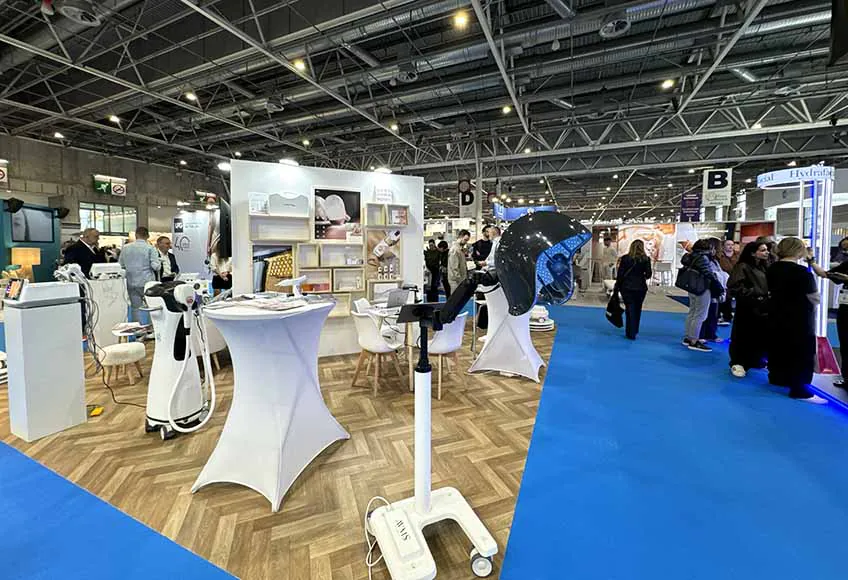
When the budget is tight, reliability matters more than visual impact.
Carpet squares, foam solutions, or basic vinyl all work well as tradeshow flooring. They’re easy to manage, easy to replace, and don’t create logistical issues.
Best flooring choices for premium brand presentation
Premium positioning requires more control over detail.
Wood grain vinyl or a raised floor exhibition stand creates structure and elevates perception. Even subtle changes in exhibit flooring can shift how the brand is experienced.
Best exhibit booth flooring for interactive spaces
Interactive booths are harder on materials.
In these cases, durability becomes the priority. Reinforced vinyl or hard plastic surfaces handle constant movement better and maintain a clean look throughout the show.
Raised Floor Exhibition Stand Solutions and When to Use Them
Raised flooring works best when it solves a real problem — not just when it looks impressive.
Why raised flooring (podium) works well for cable management
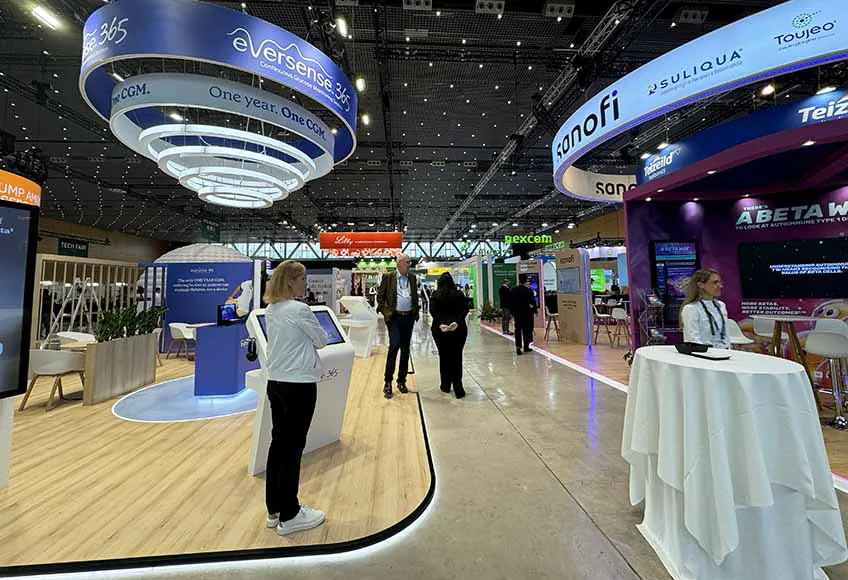
Cables can quickly break the visual consistency of a booth.
A raised system allows you to hide everything underneath, keeping the space clean and organized — especially important for tech-heavy setups.
When a raised floor makes a booth look more premium
Even a small elevation changes perception.
It creates a boundary. A sense that this space is designed, not just placed. That’s why many high-end trade show booth flooring ideas include this solution.
What to consider before choosing a raised floor system
It’s not just about design. Transport, installation time, and fast shipping logistics all matter. Without planning, a raised floor can create more stress than value.
Trade Show Booth Flooring Ideas That Improve Booth Design
Flooring is no longer just a base — it’s part of the overall experience.
Use flooring color to define your brand space
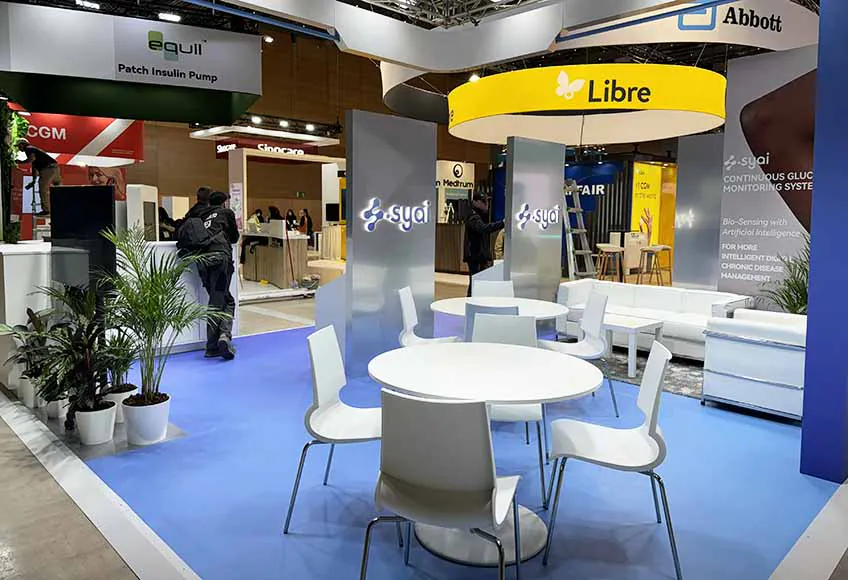
Color does more than support branding — it directly affects how your booth behaves over time.
Light tones can make a space feel open and clean. But in real conditions, especially during rainy or winter trade shows, they get dirty much faster than expected.
I’ve seen booths lose their visual impact within hours simply because the floor didn’t match the environment. Darker shades, textures, or patterned flooring tiles tend to handle high traffic much better without compromising the overall look.
Combine flooring with lighting and display elements
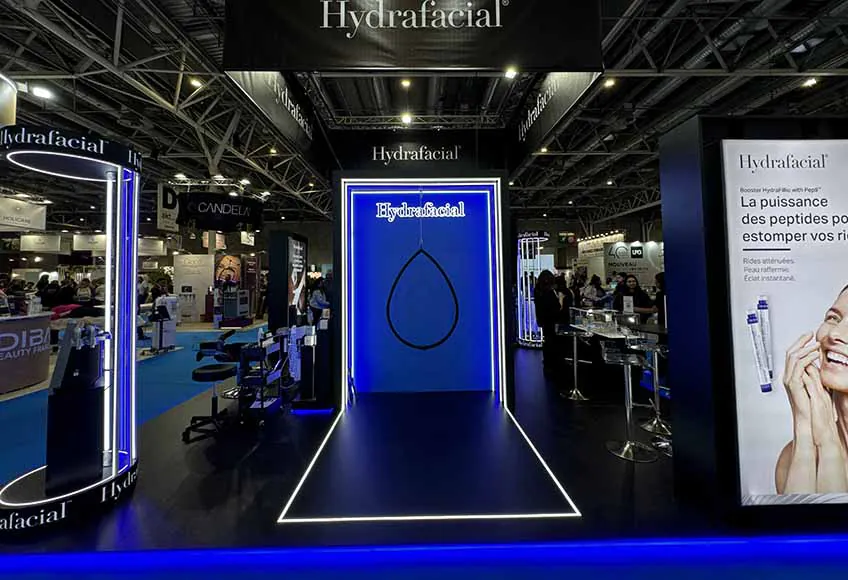
Flooring today works as part of a system, not as a standalone layer.
More and more booths combine different types of trade show booth flooring — for example, vinyl for walkways, softer areas for interaction, and highlighted zones for products.
What makes this especially effective now is lighting. LED strips or embedded elements allow you to separate areas visually without adding physical barriers. The result feels more structured — and noticeably more premium.
Create zones inside the booth with different floor finishes
Zoning becomes essential as soon as your booth has multiple functions.
Using different flooring tiles or finishes helps guide visitors naturally. No instructions needed — people intuitively understand where to go and where to stop.
What Most Exhibitors Overlook About Trade Show Flooring
There’s one moment many teams don’t plan for.
You arrive at the venue early in the morning, everything is clean and ready. But within a couple of hours after opening, the aisle traffic increases — and suddenly your booth doesn’t look the same anymore.
How organizer flooring impacts your booth perception
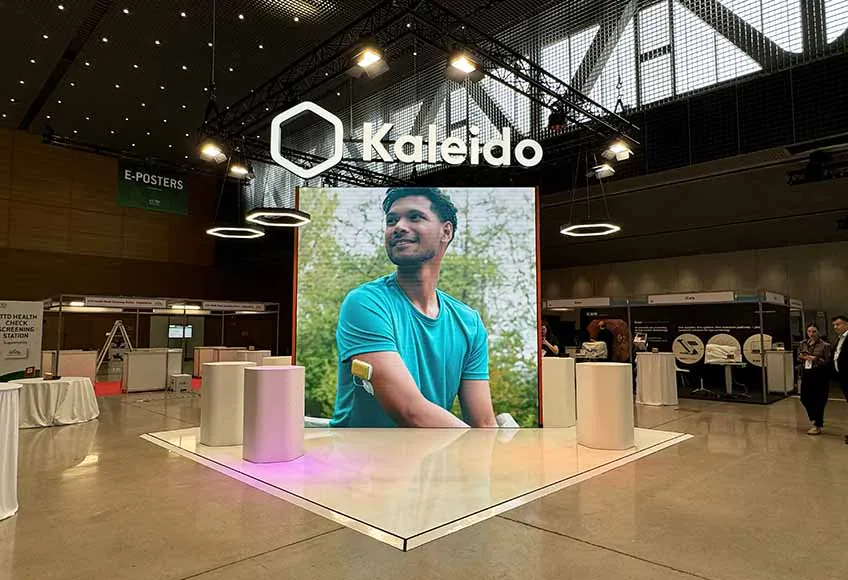
Most organizers use standard tradeshow flooring in aisles — usually carpet. By midday, especially during large trade shows, it starts to show wear.
And this creates an interesting contrast.
If your trade show flooring inside the booth is too similar — same color, same texture — your space visually “blends” into the aisle. Visitors don’t clearly perceive the transition.
This is why I often highly recommend creating contrast:
- a slightly elevated surface
- a different texture underfoot
- or even a subtle shift in color tone..
This separation helps your booth feel intentional and more premium compared to the surrounding tradeshow floors.
Why some budget flooring options fail during the show
The issue with low-cost solutions is not how they look on day one. It’s how they behave under pressure.
When hundreds or even thousands of people pass through a booth in a short time, weaker materials start to show it:
- carpet can stretch or tear
- printed surfaces lose color
- joints between flooring tiles become visible.
This is especially true for cheaper tradeshow flooring and entry-level exhibit flooring that are not designed for heavy traffic.
So, while these options may look appealing during planning, they often become a weak point during the actual event.
Hidden requirements: fire safety and venue regulations
This is something many teams discover too late.
Some venues require certified materials — including flooring for exhibition booth setups. That applies not only to structures, but also to exhibition flooring itself.
If your exhibit booth flooring does not meet fire safety standards, you may:
- be forced to replace it on-site
- face delays during setup
- or even be restricted from using it.
From a project perspective, this is where coordination and customer service from your stand builder or supplier becomes critical.
Realistic cost overview: what flooring actually costs
To give you a clearer idea of real budgets, here’s how different trade show booth flooring options typically compare:
| Flooring type | Average cost per m² (€) | When it works best |
|---|---|---|
| Carpet / carpet tiles | 10–25 | Budget booths, short-term use |
| Foam tiles | 15–30 | Comfort-focused, interactive zones |
| Vinyl (standard) | 25–60 | Clean, professional setups |
| Vinyl (wood grain / premium) | 50–90 | Brand-focused stands |
| Raised flooring systems | 80–150+ | Premium booths, complex layouts |
These are not exact numbers, but they reflect real ranges I’ve seen across multiple projects.
The key takeaway: the cheapest option is not always the most cost-effective once you factor in durability and appearance over the full duration of the show.
Final Thoughts on the Best Booth Flooring Options
Flooring decisions rarely feel critical during planning — but they often become critical during the show.
The best flooring should support both design and function
The best flooring options for a trade show booth are not the most expensive ones, but the ones that balance comfort, durability, and visual clarity.
Smart flooring choices can make any stand look more polished
Even a simple booth can feel complete with the right trade show booth flooring. And in many cases, improving your trade show exhibit flooring is one of the fastest ways to upgrade the entire stand — without rebuilding everything from scratch.
If you’re planning an upcoming exhibition, flooring should not be an afterthought. It’s one of the few elements that directly affects both perception and behavior inside your booth.
Getting it right early can save budget — and significantly improve results during the show.
The right trade show booth flooring is not just a detail — it’s part of how your entire booth performs during the event.