A prize wheel can draw a crowd at a trade show. Getting those visitors interested in your product is another matter. The right activity helps people understand what you offer and gives your team a reason to start a useful conversation. These interactive booth ideas cover games, technology and hands-on demonstrations—and how to fit them into a stand without losing space for actual business.
Why an Interactive Trade Show Booth Outperforms a Static One
A well-planned stand can help visitors test, compare or explore a product rather than merely read about it. But a static stand with excellent demonstrations and knowledgeable staff can outperform a busy game zone. What matters is whether participation helps the right people make progress towards a buying decision.
How interactivity increases dwell time and booth traffic
A clear task gives passers-by a reason to stop: configure a product, solve a practical problem or test a feature. When the outcome is visible, others may be curious enough to join. Dwell time and booth traffic are useful signals, but neither proves commercial value; people waiting for free gifts may never become prospects.
According to CEIR research reported by IAEE in 2024, 96% of exhibitors use engagement tactics to support key objectives. That describes exhibitors’ practices, not a measured increase in sales caused by interactivity.
Turning engagement into qualified leads
Before choosing trade show engagement ideas, define what your sales team needs to learn: the visitor’s application, project timing, technical requirements or purchasing role. A short quiz can lead to a product recommendation; a demonstration may reveal a specific problem worth discussing. Collect relevant details with permission and agree on a follow-up. A crowded booth is not necessarily a productive one.
Trade Show Games That Attract Visitors
The best trade show games have simple rules and a clear link to your offering. Below are trade show booth games suitable for different audiences, from quick icebreakers to product-based challenges. Choose an activity your team can run without neglecting other visitors.
Prize wheels, trivia and quiz games
A prize wheel is familiar and easy to join, but prizes alone rarely tell you whether someone needs the product. Link each result to a sample, a demonstration or a relevant question. Trivia can challenge an industry misconception; a three-question quiz might guide visitors towards the right model. Fun trade show games should create a conversation, not end at the giveaway.
Skill challenges and leaderboards
Short assembly tests, accuracy tasks or product puzzles can show what equipment does. A tools brand, for instance, might ask visitors to complete the same task with two variants. Leaderboards introduce friendly competition, but provide an alternative for people unable or unwilling to participate physically. Games for trade show booths should demonstrate something meaningful about the product.
Digital trade show games on touchscreens and tablets
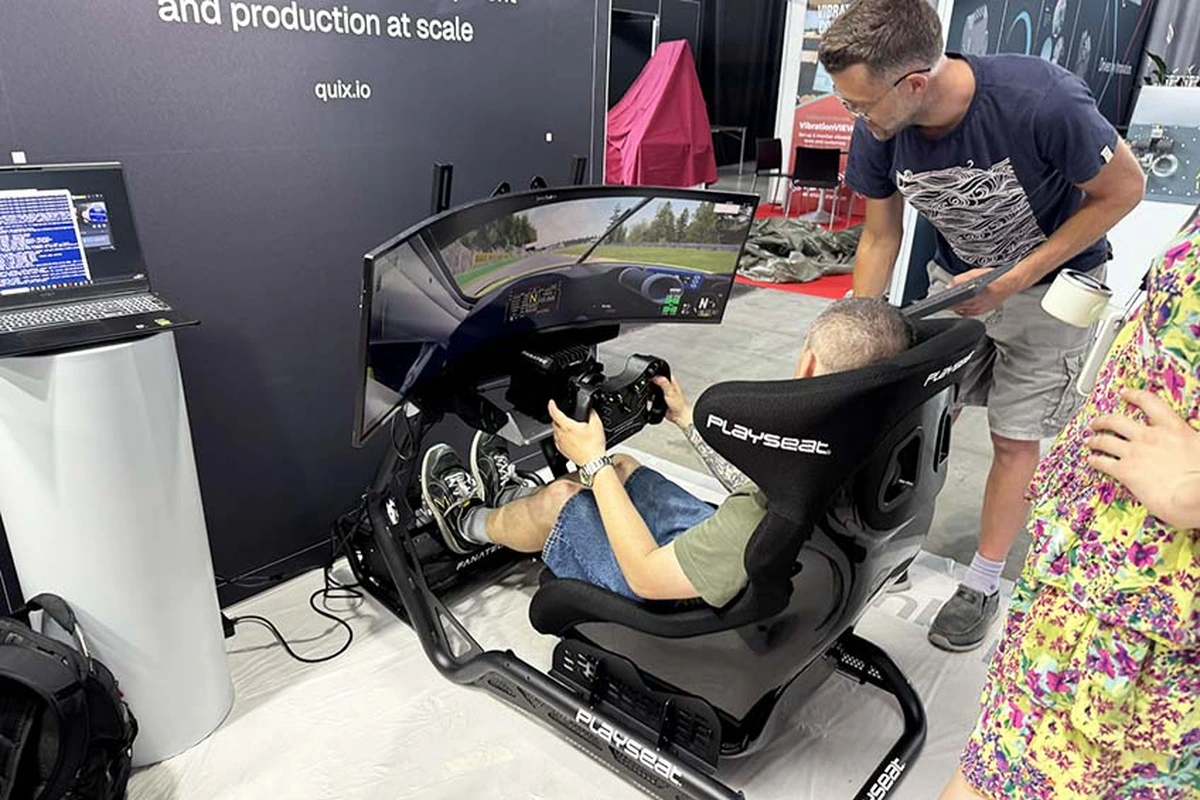
Tablets can host product-matching challenges, quick quizzes and timed tasks without taking up a large area. Digital trade show booth games can adapt to different languages or visitor interests. Keep the interface legible, make rounds short and prepare offline content. Interactive booth games become a liability if your staff spend the day fixing Wi-Fi instead of talking to buyers.
How to choose games that fit your brand and audience
Engineers may appreciate a specification challenge; distributors might prefer a comparison of product ranges. Before selecting among interactive booth ideas, ask:
- Can visitors understand what to do in a few seconds?
- Does the result reveal something about the product or their needs?
- Can a staff member move naturally from the activity to a useful next step?
If not, simplify the game or choose a demonstration instead.
Interactive Trade Show Technology Worth Investing In
Useful trade show booth technology helps visitors understand products they cannot easily inspect, compare or test. Expensive screens do not automatically deliver better leads. Select interactive trade show technology for the specific task it supports, and check whether your staff and space can support it.
Touchscreens and interactive kiosks
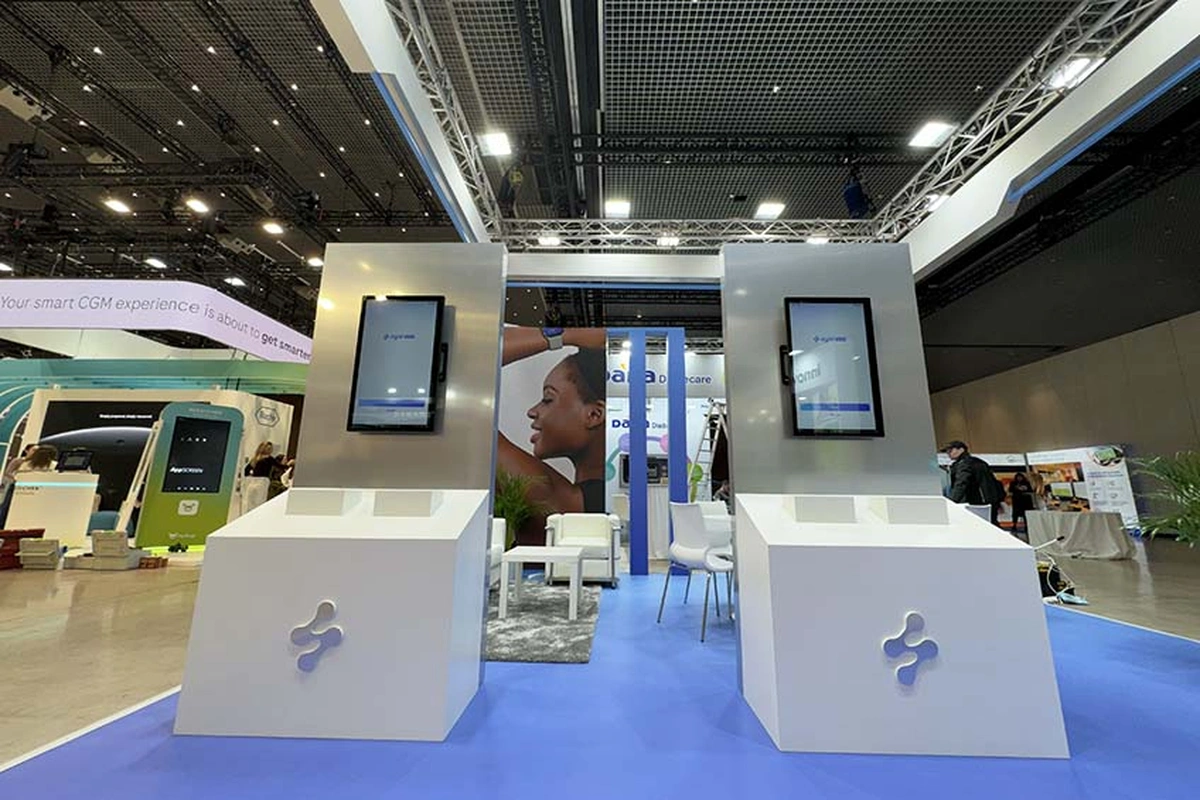
A kiosk can offer a product catalogue, specification comparison or guided solution finder. Start with two or three practical questions rather than a long menu. Place the screen where someone can stand in front of it without obstructing access, and provide an understandable route for saving results. Explain how any submitted contact details will be used.
VR and AR product experiences
VR can show machinery too large to transport; AR can overlay components or configurations on a model. Both need more planning than a headset and a screen. Allow room for movement, supervision, cleaning and a non-headset alternative. A brief guided experience tied to a real use case usually gives a salesperson more to discuss than an elaborate virtual world.
Interactive photo booths and social sharing
A branded photo booth can suit lifestyle events or campaigns where sharing is part of the objective. For a technical audience, a personalised product result or configuration card may be more valuable than a generic picture. Make sharing optional and obtain appropriate permission before publishing identifiable photos. Social reach and qualified leads are different outcomes.
LED walls and motion-triggered content
An LED wall can make a product story visible from across the hall; a sensor can change the display when a visitor approaches. A looping promotional film, however, is not interactive by itself. Give users an obvious trigger and a meaningful response. Check brightness, sightlines, mounting, venue sound rules and what visitors will see if a sensor fails.
Hands-On Trade Show Booth Activities Beyond Games
Not every visitor wants a competition or a headset. Some of the most practical trade show booth activities let buyers examine a product, ask questions and judge its suitability. They often work especially well for technical B2B exhibitors.
Live product demos and mini-workshops
Show one task from start to finish, then let visitors try it when appropriate. A materials supplier could compare two finishes; a software firm could demonstrate one real workflow. Make the explanation understandable even to someone arriving halfway through. Assign an employee to lead the demo while others remain available for conversations.
Personalisation stations and on-the-spot customisation
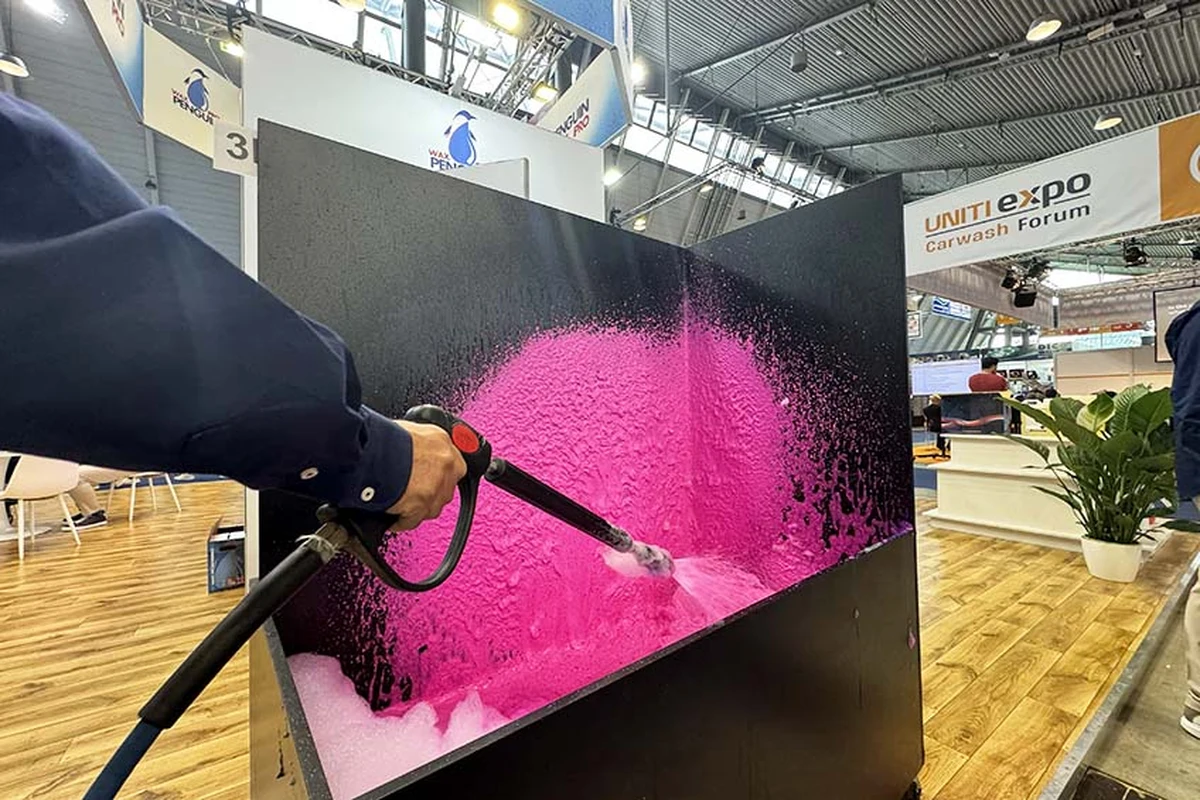
Visitors might select materials, configure a model or generate a specification card to take away. That gives the salesperson a concrete starting point. Check the time needed per participant and the equipment, materials and staff required. If one session lasts ten minutes, even a small queue can overwhelm a compact stand.
Scheduled booth moments: talks, contests and prize draws
A five-minute expert talk or scheduled challenge can bring interested people back at a known time. Announce the schedule, manage the audience and follow venue sound restrictions. These trade show booth engagement ideas only help if visitors can still reach product displays and staff between sessions. A packed entrance is not a success metric.
How to Plan Interactive Elements Into Your Booth Design
Start with the activity’s footprint and staffing needs, not the equipment catalogue. The stand still needs accessible routes to meetings and displays, storage and room for conversations. Discuss these requirements with your stand builder before drawings are approved.
Space, layout and visitor flow around activities
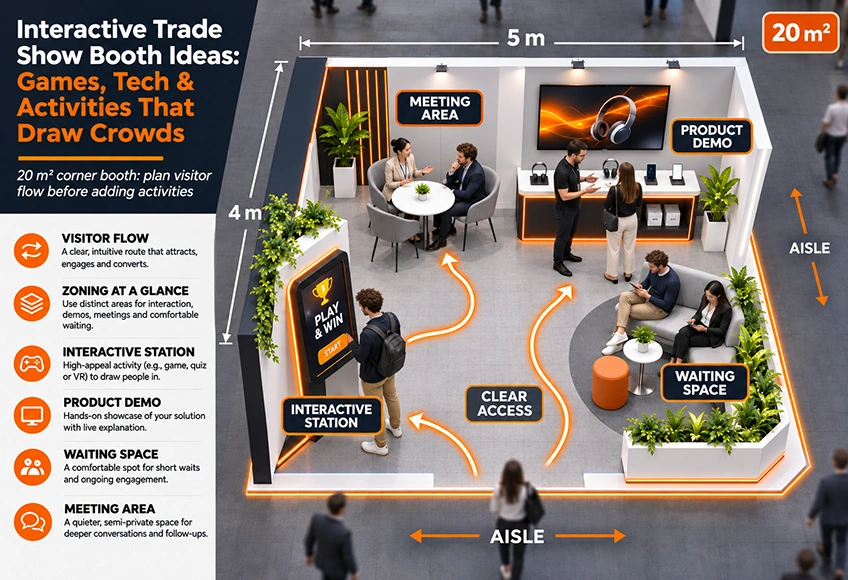
Mark where participants, observers and waiting visitors will stand, then trace how others enter and cross the booth. Do not treat the public aisle as free queue space. For a 20 m² corner stand with three employees, one short, staff-led product challenge may work better than a VR station requiring constant supervision. Reserve a clear area for serious discussions rather than filling every metre with activities.
Power, connectivity and technical requirements
List displays, chargers, computers, sensors and their power requirements. Agree on cable routes, secure mounting and organizer service orders early. Test the full setup on site, including network access, sound and recovery after a restart. Keep an offline or staff-led fallback; trade show halls are poor places to discover that a demonstration depends on unstable connectivity.
Budget: renting vs. building custom interactive features
Rental touchscreens or standard game stations can make sense for one event, especially in a modular exhibition stand. Bespoke interfaces may be worth developing if they explain a complex product or will be reused. Compare the whole cost: content and software, equipment, transport, installation, technical support, staffing and dismantling. A stand builder can plan the structure and coordinate integration, while specialist suppliers may develop the game, VR application or other software under a separate scope.
Mistakes That Kill Booth Engagement
Even good interactive trade show booth ideas fail when the entertainment is planned separately from sales and the stand layout. Check these five mistakes before committing to the concept:
- An activity unrelated to the product. Visitors may remember the prize and forget the exhibitor. Link the challenge to a real use case.
- Complicated rules. If explaining the game takes longer than playing it, simplify the instructions.
- Untested technology. Check Wi-Fi, sensors, audio and software in the hall, and prepare a fallback.
- No useful follow-up. A competition entry is not automatically consent to sales contact. Explain data use and agree on a next step.
- Queues blocking access. Shorten rounds, schedule sessions or provide waiting space within the stand.
The goal is not to make every visitor play. Choose activities that help the right people discover your product without preventing others from reaching your team. ESBAU can integrate interactive features into modular or custom exhibition stand design and coordinate their physical and technical requirements within the agreed project scope. Tell us what you want to demonstrate, how much space you have and what should happen after a visitor takes part.