


If you’ve managed trade shows more than once, you already understand the basics of b2b event marketing. You plan the booth, brief the team, launch outreach, collect leads, and follow up. On paper, this looks like a solid b2b
marketing event setup. In reality, results often vary wildly from one show to another.
After ten years working with B2B events across different industries, I’ve learned that the biggest gaps appear not in planning decks, but on the show floor — where assumptions collide with real-time decision making. This article focuses on how event marketing b2b actually performs under pressure, and how to design a system that survives it.
What is B2B Event Marketing and What is a B2B Event
Before tactics and execution, it’s worth briefly aligning on definitions—not for theory’s sake, but because unclear terminology leads to weak marketing strategy decisions.
What is a B2B event (trade shows, conferences, summits)
So, what is a b2b event in practical terms? It’s a professional event designed for business audiences, where companies engage other businesses rather than consumers. Trade shows, conferences, and summits all fall into this category, but trade shows remain the most execution-heavy format within the industry.
They compress months of sales conversations into a few days of real time interaction.
What is B2B event marketing and how it differs from general event marketing
What is b2b event marketing? It’s the use of business events as structured growth channels — not branding exercises. Unlike B2C campaigns, event marketing for b2b companies is built around relevance, qualification, and post-event momentum, not reach.
The goal is not attention. It’s meaningful conversations with the right target audience.
B2B Event Marketing Strategy for Trade Shows
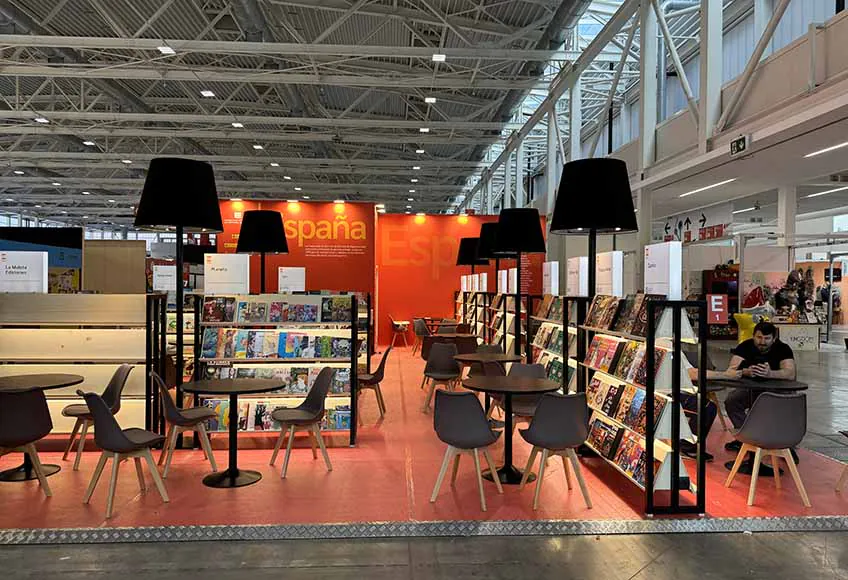
A strong b2b event marketing strategy doesn’t try to control every variable. It creates clarity—for the team, the booth, and the audience—so decisions can be made fast on the floor.
Setting goals and KPIs that survive reality
Most teams track leads and meetings. Fewer track quality. A working trade show marketing strategy defines success before the show:
- what counts as progress
- what conversations matter
- what outcomes justify the investment.
CEIR reports that 81% of trade show attendees influence purchasing decisions—but only when discussions reach real depth.
Audience and offer: precision beats reach
Effective event marketing strategies for B2B businesses deliberately narrow focus. Broad messaging attracts traffic; precise messaging attracts buyers. A booth should help visitors self-select before a single word is spoken.
How the booth supports the strategy
The booth is not a brand monument. It’s a decision tool. Layout, messaging, and conversion points must support trade show lead generation, not distract from it. When staff repeatedly explain the same basics, the problem is not the team—it’s the structure.
Trade Show Planning and Execution Checklist
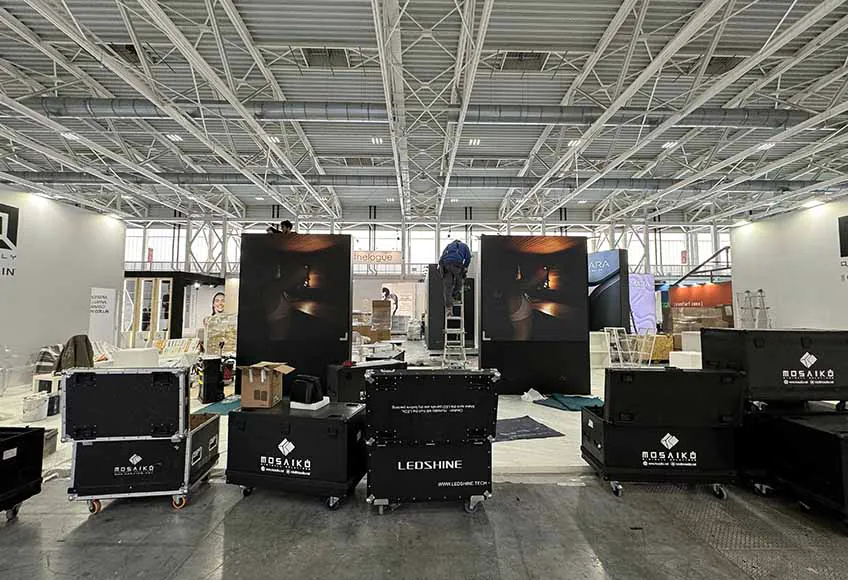
Execution is where B2B event planning either works or collapses. A simple trade show exhibitor checklist helps teams stay focused when timelines tighten.
Timeline: what to do 8–12 weeks before the show
Key actions include:
- locking messaging and booth logic
- aligning sales and marketing on qualification
- launching b2b event promotion early enough to book meetings
Exhibitor Magazine notes that pre-show outreach can lift booth traffic by up to 40%.
Team roles and booth staffing
Without role clarity, even strong trade show booth marketing ideas fail. Someone must qualify, someone must deepen conversations, and someone must manage flow.
Stand build and logistics
Design, production, installation, and on-site support are not background tasks. Operational friction destroys focus and wastes the most valuable asset: time with the audience.
B2B Event Marketing Ideas That Work at Trade Shows
Ideas only matter if they work amid noise, interruptions, and fatigue.
Booth engagement ideas that scale
Practical b2b event marketing ideas include short demos, guided interaction, and one clear CTA. If engagement requires explanation, it won’t scale.
Freeman’s research shows that structured interaction significantly improves engagement.
Lead capture systems and data quality
QR codes, scanners, and forms only work when context is captured. Strong trade show lead generation records why someone stopped—not just who they are.
Meeting strategy: leave room to breathe
Fully booked calendars reduce flexibility. The strongest event marketing B2B programs intentionally leave 20–30% of time unplanned to absorb high-value, unexpected conversations.
Trade Show Promotion Before, During, and After the Event
Promotion multiplies everything — good or bad.
Pre-event promotion
Effective b2b event promotion combines email, LinkedIn, partner outreach, and content designed to set expectations before the show.
On-site promotion
Signage, floor tactics, live streaming, and selective use of social media extend reach beyond the booth and support real-time engagement.
Post-event follow-up
The 48-hour rule matters — but relevance matters more. Salesforce data shows faster follow-up improves conversion only when the message reflects the actual conversation.
B2B Event Marketing Trends and Common Mistakes
Trends change; execution problems repeat.
Trends shaping modern event marketing
Personalization, AI-assisted scoring, hybrid touchpoints, and real-time content are reshaping b2b event marketing, but only when grounded in process.
Common mistakes that kill ROI
The most damaging mistakes are:
- no clear offer
- weak follow-up ownership
- poor measurement
- unclear messaging.
Avoiding these basics delivers more impact than copying best practices from generic case studies.
A trade show is not a moment — it’s a system. When b2b event marketing is treated as part of a broader marketing strategy, results become predictable. When it’s treated as an isolated event, outcomes depend on luck.
For event managers and founders, success means leaving the show knowing exactly which conversations mattered — and why.