



Everything feels under control until the booth actually needs to move.
The stand is produced. Graphics are approved. The exhibition date is approaching. Then suddenly the entire team starts refreshing tracking numbers,
checking warehouse deadlines, answering freight emails, and hoping nothing changes at the border overnight.
This is where many exhibition projects become stressful — not because of the booth design, but because trade show shipping was treated as a final task instead of part of the strategy from the beginning.
A delayed truck, incorrect customs status, damaged graphics, or missed unloading window can quickly turn into additional costs on-site. And unlike booth production problems, logistics issues usually happen under severe time pressure.
The most dangerous logistics problems are often the ones nobody expects, because everything appears to be moving correctly until the shipment suddenly stops progressing.
In this article, I’ll break down practical trade show shipping tips based on real exhibition project experience: how to organize shipping to trade shows, reduce freight risks, avoid hidden costs, and keep installation timelines under control.
Why Trade Show Booth Shipping Should Be Planned Early
Many exhibitors still think logistics begins after production ends. In reality, shipping strategy should influence exhibition planning much earlier.
The larger, heavier, or more customized the stand becomes, the more important logistics coordination becomes too.
Booth materials, freight requirements, and transport risks
Not every booth travels easily.
Oversized lightboxes, LED walls, fragile graphics, custom counters, acrylic elements, and heavy structures all increase trade show booth shipping complexity. Sometimes a stand that looks visually impressive becomes extremely difficult to move safely and efficiently.
For many exhibition teams, the problem becomes visible too late — after production is already finished and freight options become limited.
This is one of the reasons modular systems continue growing in popularity. They simplify shipping for trade show environments by reducing freight volume, improving crate organization, and making installation more predictable.
How poor planning increases shipping complexity
Logistics problems rarely begin with one major mistake.
More often, the process starts slipping because several smaller decisions happen too late:
- approvals get delayed
- packing becomes rushed
- delivery windows shrink
- expedited freight suddenly becomes necessary.
Biggest mistake:
Waiting until production is finished before discussing freight strategy.
That’s often when trade show shipping costs start rising quickly.
Poor planning also increases the risk of:
- waiting charges
- additional storage fees
- damaged materials
- higher material handling costs
- booth installation delays on-site.
And unlike production issues, logistics delays become much harder to recover once freight is already moving.
Advance warehouse vs direct-to-show shipping
Most major trade shows offer two main delivery options:
- advance warehouse shipping
- direct-to-show delivery.
Advance warehouse delivery usually creates less pressure because materials arrive before exhibitor move-in begins. Direct delivery can still work successfully, but timing becomes far less forgiving.
For larger booths or complex installations, early trade show exhibit shipping often reduces stress significantly.
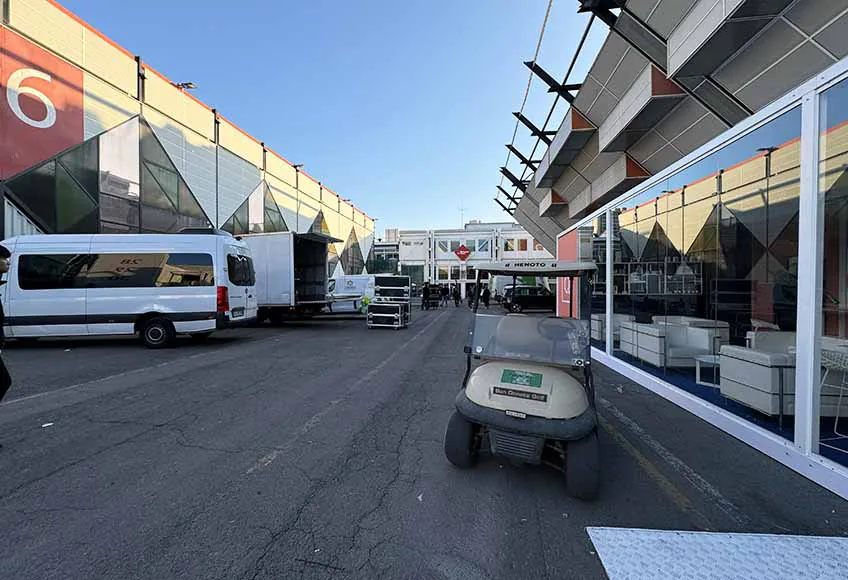
Trade Show Shipping Costs and Hidden Fees
Many exhibitors calculate transport costs but underestimate everything surrounding the shipment itself.
That’s usually where budgets begin slipping unexpectedly.
What affects trade show shipping costs
Several factors influence final trade show shipping costs:
- shipment size and weight
- how tight the delivery schedule is
- customs requirements for the destination country
- handling complexity on-site
- storage time before installation
- special freight restrictions at the venue.
For international shipping, paperwork can affect the budget almost as much as transport itself.
The biggest cost increases usually happen when teams:
- approve production too late
- change freight plans last minute
- underestimate customs requirements
- or compress installation timelines too aggressively.
Material handling, waiting time, and operational surcharges
This is one of the least understood parts of exhibition logistics.
Venue charges often include:
- unloading freight
- forklift usage
- moving materials inside the hall
- temporary storage
- truck waiting time.
These operational expenses are separate from standard trade show freight shipping and can increase the final invoice much faster than exhibitors expect.
A truck may technically arrive “on time” and still generate additional costs if the assigned unloading window has already passed.
How to avoid unnecessary shipping expenses
The cheapest freight quote rarely guarantees the cheapest final result.
In practice, the most effective cost-saving strategy is usually better planning:
- confirm delivery windows early
- pack materials according to installation order
- clearly label crates, especially graphics and electronics
- avoid changing carriers at the last minute
- assign one person to coordinate logistics communication.
Good exhibit shipping coordination often saves more money than negotiating slightly lower freight rates.
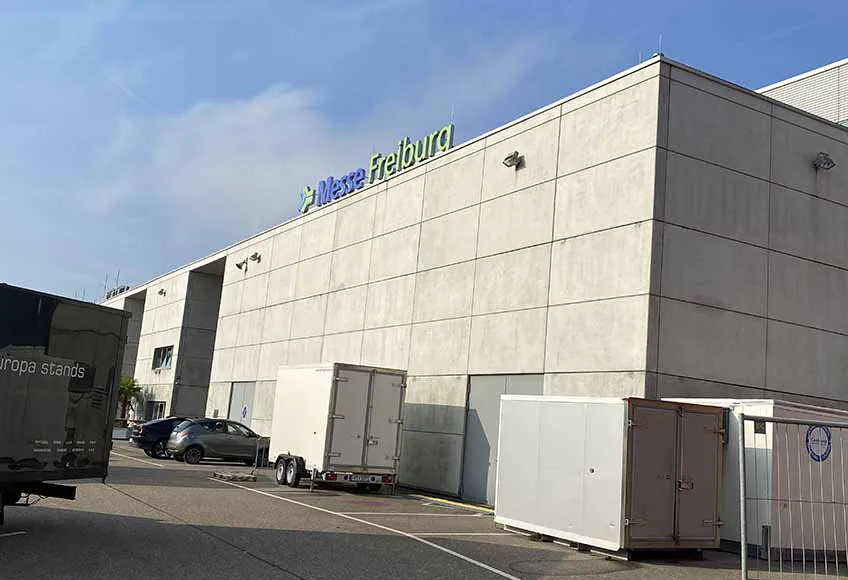
Trade Show Freight and Shipping Options
Different exhibition projects require different transport strategies. A lightweight display kit behaves very differently from a custom stand filled with lighting, products, furniture, and screens.
LTL vs full truckload shipping
LTL (Less Than Truckload) shipping is commonly used for smaller booths sharing space with other freight. It is cost-efficient, but it also increases handling frequency during transit.
Every additional loading point increases risk.
Full-truckload shipping gives exhibitors more control over schedules and usually reduces exposure to damage. For larger booths or fragile elements, dedicated freight often becomes the safer option for trade show display shipping.
Dedicated and expedited transport
Some exhibition timelines simply leave no room for delay.
Dedicated transport moves freight directly without unnecessary stops, while expedited shipping prioritizes speed when installation deadlines become critical.
The downside is obvious: rushed trade show shipping almost always costs significantly more.
For many exhibitors, expedited freight becomes less a transport solution and more a symptom of compressed planning.
Shipping for trade show booths, exhibits, and displays
Different booth elements require different levels of protection.
Printed graphics, LED modules, acrylic surfaces, flooring, counters, furniture, and demo products should never be packed as if they behave the same way during transit.
Strong trade show display shipping depends heavily on:
- internal crate organization
- moisture protection
- shock absorption
- clear labeling
- easy identification during setup.
A shipment can arrive fully intact and still create installation chaos if installers cannot quickly understand where materials belong.
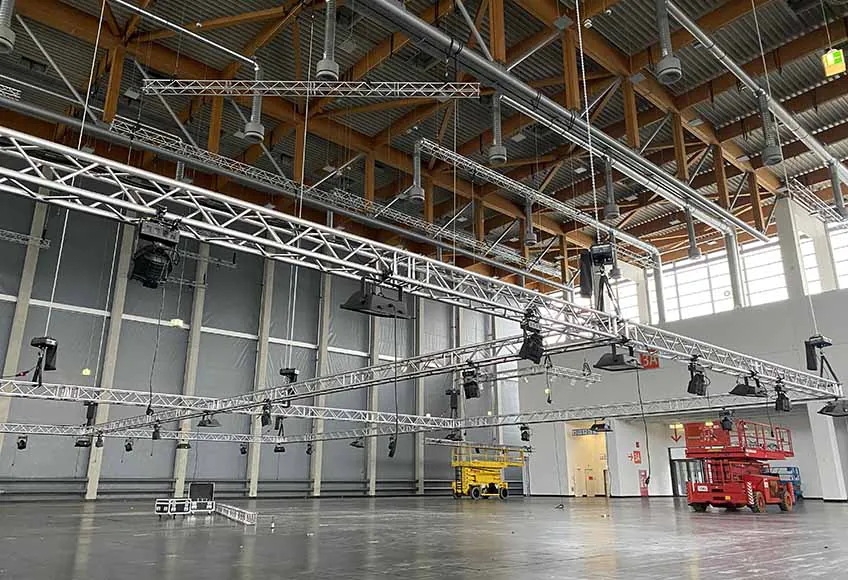
Domestic and International Trade Show Shipping
Many exhibitors assume domestic trade show shipping is automatically simple. In practice, even local or intra-European logistics can suddenly become unpredictable.
We once transported a booth from booth production in Poland to an exhibition in Germany. The schedule looked completely safe: the truck left on time, delivery buffers were included, and there were no technical issues.
What nobody anticipated was that the shipment entered Germany during a national holiday period. Traffic conditions became far worse than expected, several operational services worked differently, and the entire exhibition team spent hours assuming the delivery schedule was collapsing.
The booth arrived successfully, but the situation reinforced an important lesson: even well-planned logistics need backup timing scenarios.
Customs status planning and international shipping risks
International exhibitions introduce another level of complexity entirely.
Before freight crosses the border, exhibitors need to determine whether booth materials and products are entering the country temporarily or permanently. This decision directly affects customs procedures, taxes, broker services, and overall shipping costs.
And this is where many teams make expensive mistakes.
If customs status decisions are delayed — or changed after freight is already moving — penalties can become severe. In some cases, customs corrections and fines cost significantly more than the original clearance process itself.
This is especially important when products, demo equipment, or promotional materials travel together with the booth during international trade show shipping.
For global shipping to trade shows, customs planning is not a technical formality. It is a financial risk-management decision.
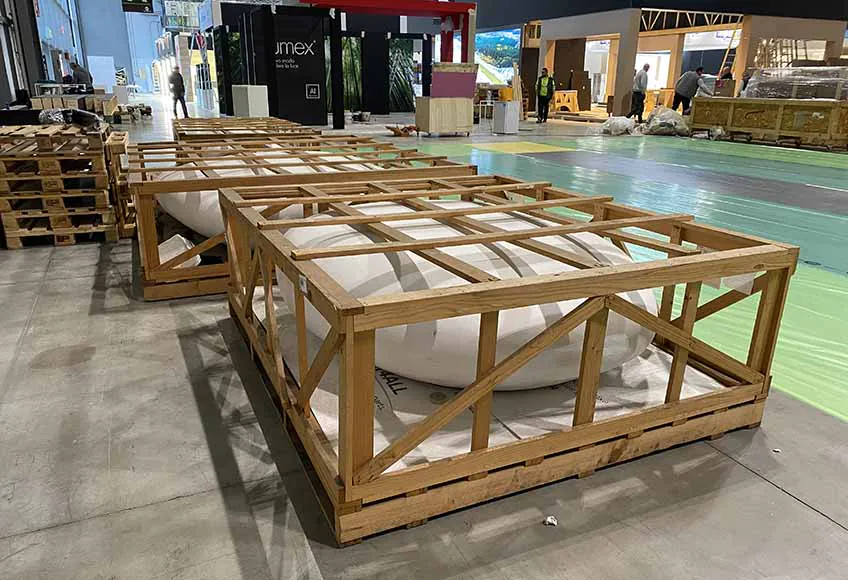
Trade Show Shipping Containers and Packaging
Good packaging protects much more than materials. It protects schedules, installation quality, and recovery time when something goes wrong.
Types of shipping containers for exhibits
Different booths require different trade show shipping containers.
The most common options include:
- wooden crates
- reusable flight cases
- palletized freight
- modular transport boxes.
Reusable containers cost more initially, but for exhibitors attending multiple trade shows, they improve long-term tradeshow shipping efficiency significantly.
Cheap packaging stops looking inexpensive the moment a damaged graphic delays installation.
Protecting booth elements and display materials
Graphics, screens, acrylic surfaces, LED modules, flooring, and printed panels should always be protected individually.
For long-distance trade show display shipping, every additional transfer point increases damage risk. Moisture, pressure, vibration, and improper stacking remain common causes of exhibition freight problems.
Good crate organization also improves installation speed dramatically. Exhibition teams should not spend half an hour opening random boxes just to locate one missing graphic.
Common packing mistakes
One of the most common mistakes is packing materials by convenience instead of installation sequence.
If installers need to unpack half the shipment just to reach the first required components, setup slows down immediately.
Other frequent packing problems include:
- weak crate labeling
- mixed booth components
- poor protection for graphics
- missing packing lists
- forgotten outbound labels before the event opens.
A booth should always be packed for both arrival and departure — not only for inbound transport.
Inbound and Outbound Trade Show Shipping
Shipping responsibilities do not end when the booth reaches the venue.
In many projects, outbound operations become even more stressful than inbound delivery because hundreds of exhibitors attempt to leave simultaneously.
Shipping booth materials to the venue
Successful shipping to trade shows depends heavily on timing coordination between the carrier, organizer, warehouse, and installation team.
Large venues operate under strict delivery schedules. A shipment that arrives slightly outside the assigned unloading window may still create storage charges or installation delays.
For many exhibition teams, communication failures create bigger problems than transport itself.
Trade show outbound shipping after the event
Once the show closes, the atmosphere changes immediately.
Forklifts begin moving, aisles fill with dismantled materials, and carriers wait for outbound instructions while exhausted teams rush to pack everything correctly.
This is where trade show outbound shipping often becomes chaotic.
If labels disappear, pickup times remain unclear, or paperwork is incomplete, freight can easily end up delayed, misplaced, or transferred into forced storage.
Outbound logistics should always be planned before the exhibition even opens.
Missed pickups and recovery scenarios
Recovery situations happen far more often than exhibitors expect.
A truck arrives late. Freight gets moved to the wrong area. Customs paperwork is incomplete. A loading dock becomes inaccessible. Or national holidays suddenly disrupt road traffic and delivery timing.
That’s often when strong customer service from freight partners becomes critical.
Fast communication can determine whether the shipment is recovered within hours or turns into a much larger operational problem.
The most effective recovery strategy is preparation:
- backup carrier contacts
- alternative delivery timing
- clearly documented freight instructions
- enough installation buffer before setup begins.

How Better Booth Planning Makes Shipping Easier
The easiest booth to ship is usually the booth designed with logistics in mind from the beginning.
That does not mean sacrificing creativity. It means designing structures, packaging systems, and transport logic that support the exhibition process instead of complicating it.
Modular booth design and reusable elements
Modular systems simplify almost every stage of trade show shipping:
- smaller freight volume
- easier storage
- faster stall setup
- more predictable installation
- easier replacement of damaged parts.
For exhibitors participating in multiple trade shows, reusable systems usually reduce long-term operational pressure significantly.
Working with an exhibition stand builder early
One of the most practical trade show shipping tips is involving the stand builder earlier in the planning process.
Experienced exhibition partners understand:
- venue logistics
- freight limitations
- customs risks
- crate planning
- international shipping for trade show requirements.
And in many cases, logistics problems are far easier to solve before production begins than after freight is already moving.
Trade Show Shipping Checklist Before Freight Departure
Before booth materials leave production, it’s worth confirming a few critical logistics details:
- verify whether the shipment is temporary or permanent for customs purposes
- confirm advance warehouse and delivery deadlines
- label outbound crates before the exhibition opens
- photograph packed materials before loading
- prepare backup freight contacts in case schedules change
- separate graphics, electronics, and fragile materials clearly
- confirm unloading access and venue restrictions in advance.
Even experienced exhibition teams overlook small logistics details when timelines become compressed.
FAQ
What is the safest way to ship a trade show booth?
The safest approach is usually early planning combined with professional crate organization, clear labeling, and realistic delivery timing. Modular booth systems and advance warehouse shipping also help reduce freight risks significantly.
How early should trade show shipping be arranged?
For international exhibitions, freight planning should ideally begin several weeks before the event. Larger custom booths often require even earlier coordination because customs paperwork, packaging, and venue scheduling can create delays.
What causes the biggest delays in trade show shipping?
The most common causes include late production approvals, customs problems, incomplete paperwork, missed delivery windows, poor crate labeling, and last-minute freight changes.
Final Thoughts
Most exhibition shipping problems do not begin with the truck itself. They begin earlier — with rushed approvals, weak planning, unclear communication, or decisions left until the final moment.
Successful trade show exhibit shipping requires coordination between booth production, freight, customs, packaging, venue rules, and outbound logistics.
Whether you are managing domestic trade show shipping or complex international trade show shipping, the goal remains the same: get the booth to the venue complete, safe, on time, and without unnecessary extra costs.
For exhibitors participating in multiple international trade shows, reliable booth logistics often become just as important as booth production itself. Experienced exhibition partners can help reduce risks long before freight leaves the warehouse.